
About the strategy
Inuit-led. Community-driven. Future-focused.
Strategy overview
Vision
We aim to keep our communities strong and healthy by protecting our land, preserving our culture, and supporting each other as the climate changes.
Mission
Together, we will use our Inuit Knowledge and skills to adapt to climate change and make sure all Nunatsiavut communities thrive.
Priority areas
The Priority Areas show where we will focus our efforts, making sure climate actions support people, culture and the land together. They are:
Environment
Infrastructure and Transportation
Energy
Food Security
Health and Well-being
Culture and Education
Economic Development
Guiding Principles




How this strategy was built
The Adapt Nunatsiavut strategy was created by and for Labrador Inuit, through a process grounded in Inuit values, voices and ways of knowing.
The strategy grew out of conversations with Nunatsiavummiut across all five communities. Elders, youth, families and local leaders came together to share their experiences of a changing climate and their hopes for the future.
A cornerstone of the process was the Silavut Asianguvalliajuk workshop, which brought people together to identify priorities, challenges and solutions. These sessions blended traditional knowledge with scientific insights, ensuring the strategy reflects both Inuit wisdom and modern research.
Input was gathered through community meetings, storytelling and land-based activities. This inclusive process ensured that a wide range of perspectives shaped the final plan.
The strategy is firmly rooted in Inuit self-determination. It reflects the direction of the Nunatsiavut Government and the collective vision of Labrador Inuit for resilient, thriving communities.
Strategy implementation
Building resilience through action
Influencing meaningful change
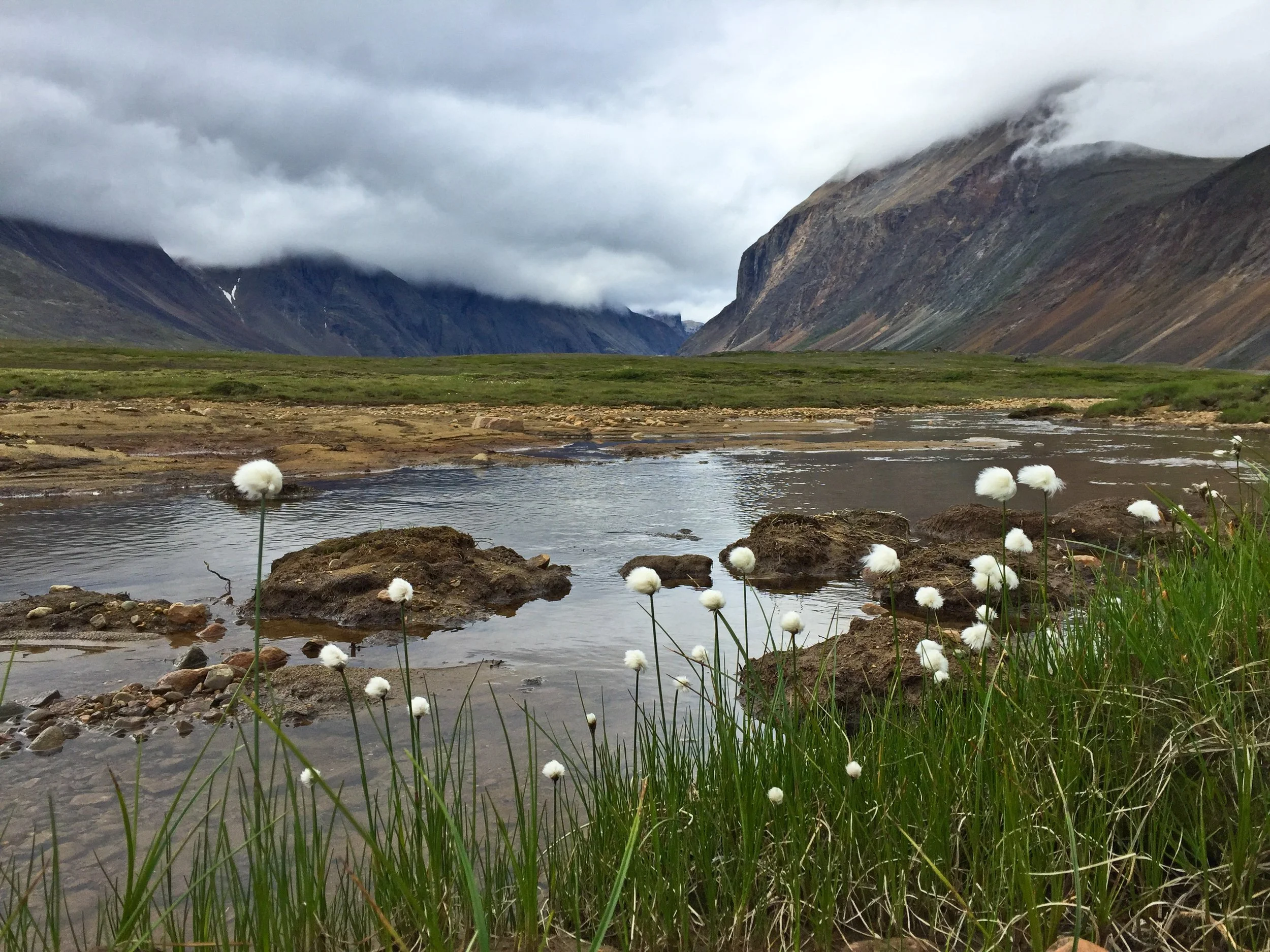
The Nunatsiavut Government is making its presence known in important conversations about climate change and sustainability. The department is seeking a strong seat at the table—locally, regionally, nationally and internationally to ensure Inuit voices and priorities shape decisions that impact our lands, waters and communities. By bringing Inuit knowledge and experience into these spaces, NG Environment is working to influence meaningful change and protect Nunatsiavut’s future.
Governance structure
Adapt Nunatsiavut is guided by a governance model that ensures Inuit voices, leadership and knowledge are at the centre of every decision. The Nunatsiavut Government Climate Change Committee and Nunatsiavut Regional Climate Change Committee provide overall direction, and partners work together to carry out actions locally. Elders, youth and knowledge holders are included throughout the process, ensuring that the strategy reflects both traditional wisdom and modern expertise. With built-in monitoring and evaluation, the governance structure is designed to be transparent, accountable and adaptable to the changing needs of Nunatsiavut.
Implementation framework
The Implementation Framework shows how Adapt Nunatsiavut will move from strategy to action. It sets out the steps, tools and processes needed to guide climate adaptation across Nunatsiavut.
Community-Centred and Evidence-Based Actions: The actions in this strategy were shaped with ideas and feedback from community members, Nunatsiavut Government leaders and staff, and research partners. Each action is linked to a Priority Area and an Implementation Pathway, showing how it responds directly to community needs.
Cross-Departmental Collaboration: Many actions will involve different departments and partners working together. By combining their knowledge and skills, the Nunatsiavut Government can more effectively address the many challenges of climate change than if each worked alone.
The Details (Tools, Teams, Partnerships and Cost): Each action in the strategy has a framework with key information on what is needed to make it happen, such as tools, teams, partners, and cost estimates. This clear structure helps the Nunatsiavut Government carry out the work, track progress, adjust to new challenges, and make good decisions along the way.
Monitoring and Evaluation for Accountability: This strategy includes a strong system for checking progress and making improvements. By regularly monitoring, learning, and adjusting, the strategy can grow with our communities and stay focused on long-term goals.