Project
Ice Research
Studying Sea Ice to Understand Ocean Change
Researchers working with the Nunatsiavut Government are studying sea ice to better understand how northern marine ecosystems are changing over time.
Sea ice is an important part of Arctic ocean systems and is critical to Inuit identity, livelihoods, and well being. Ice affects ocean temperature, light in the water, and the habitats where many marine species live, many of these species Inuit are critical to Inuit culture and are relied on for harvesting.
Why this work matters
Many small organisms live in and under the ice. These include plankton, tiny plants and animals that form the base of the marine food web.
Changes in sea ice conditions (such as thinner ice or shorter ice seasons) can affect plankton communities. Because plankton support many other species, these changes can influence the entire marine ecosystem.
By studying what is happening in and under the ice, researchers can track how ecosystems may be changing as the climate warms.
How the research is done
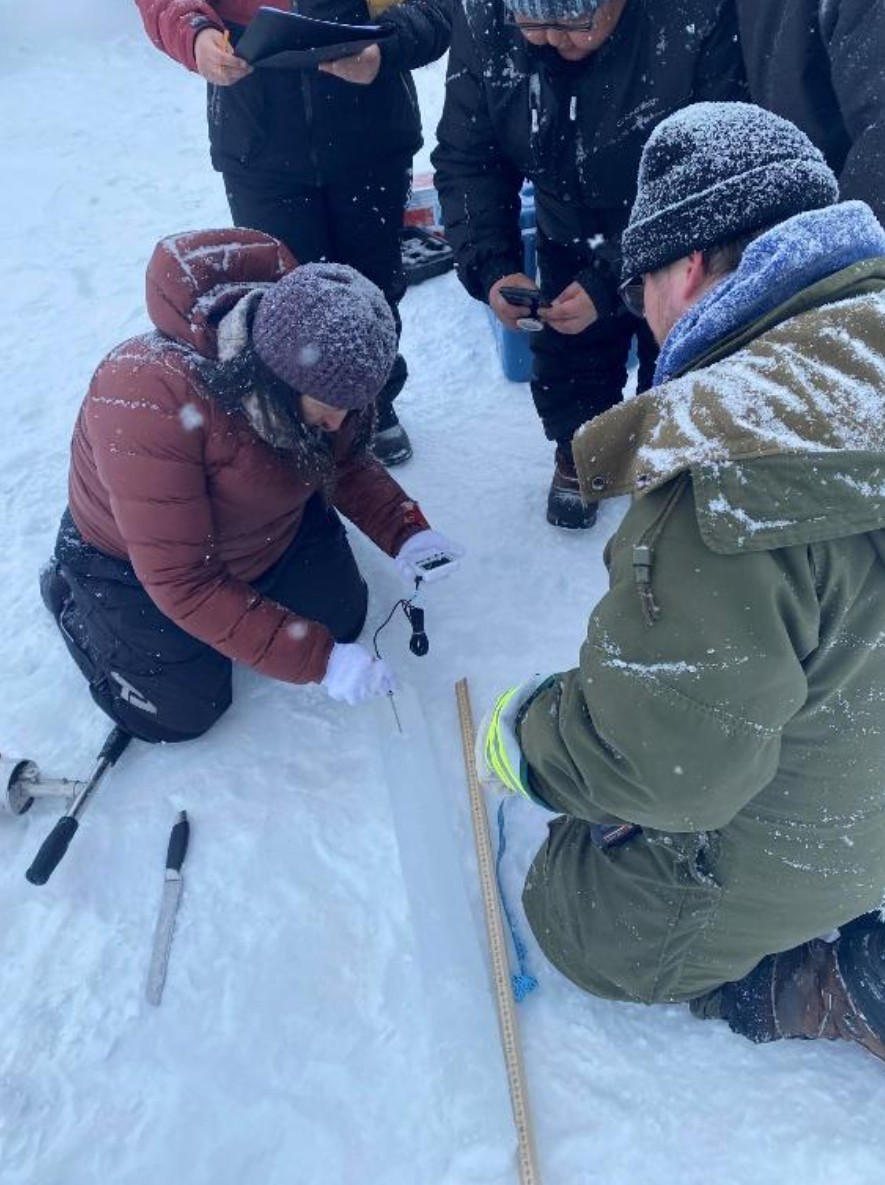
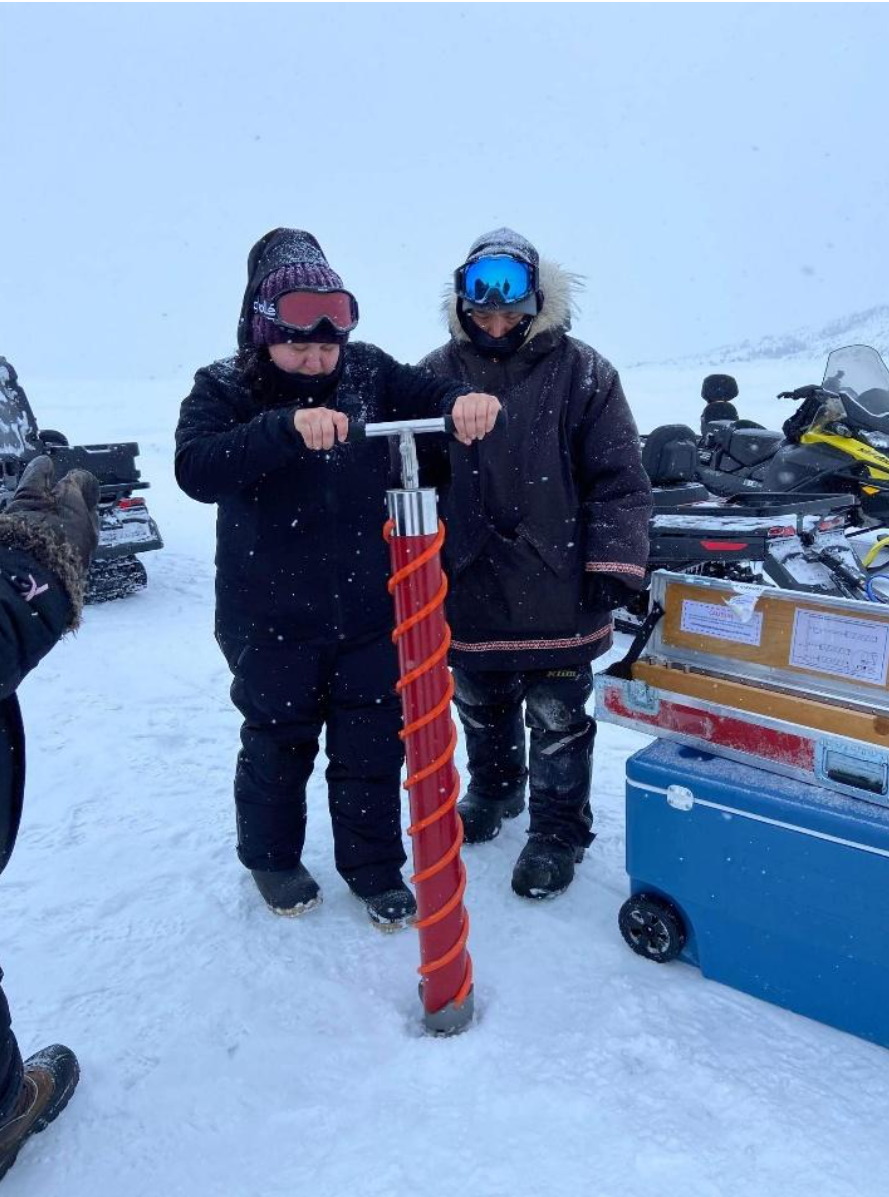
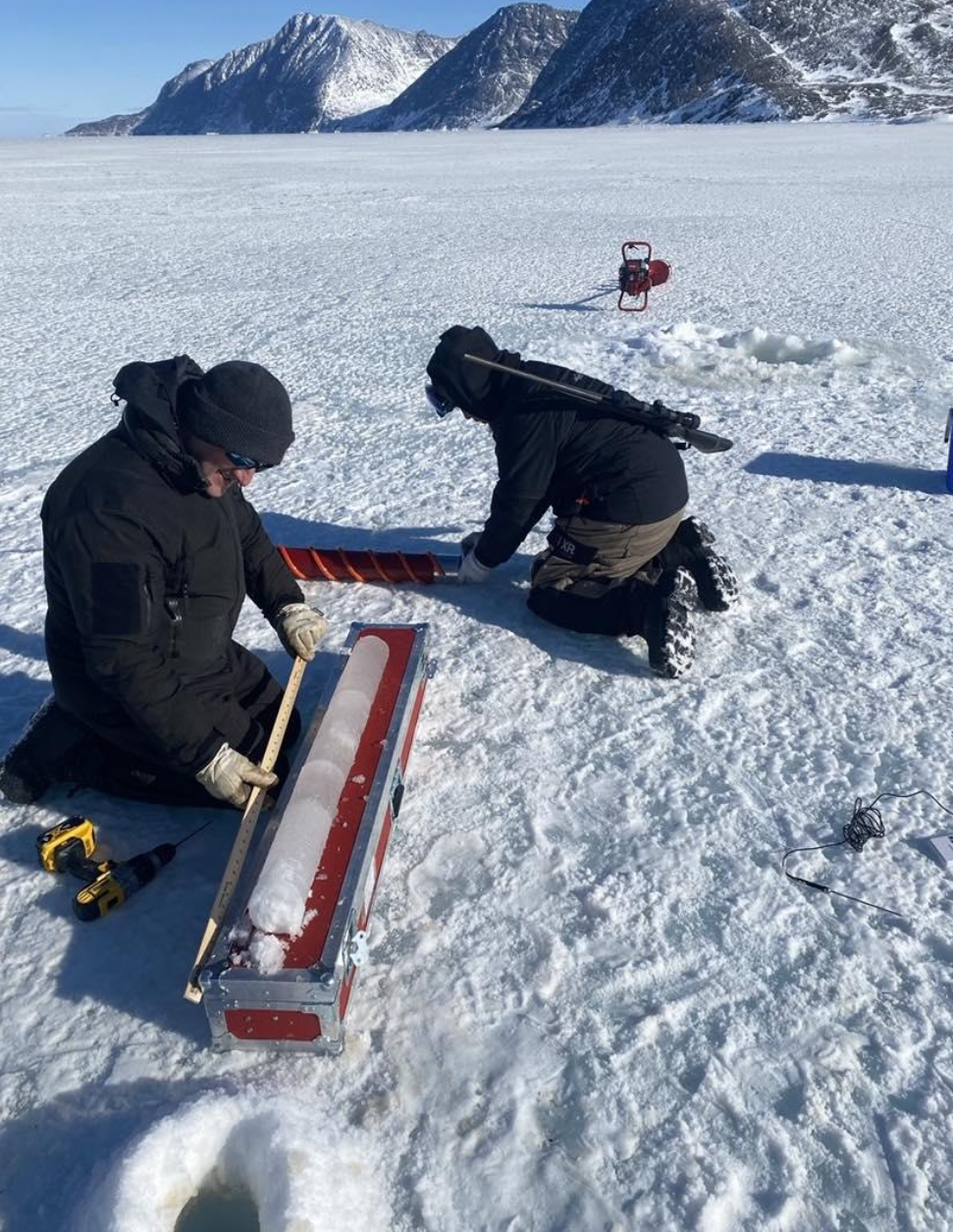
Researchers collect ice cores by drilling into the ice and sampling the water and living material below it. Some projects also collect plankton under the ice using specialized equipment such as the IceShark, which helps capture samples from beneath the ice surface.
Ice research is taking place in the Torngat Mountains region and around Nain, helping build long-term records of sea ice and marine ecosystem conditions.
Long-term monitoring
Data from community-run Nunatsiavut ice stations are also helping researchers understand longer-term trends in Arctic sea ice. This includes analysis led by researchers working with the Canadian Sea Ice Service and university partners to examine how ice conditions may change in the future.
Together, this work is helping build knowledge about how Arctic marine ecosystems are responding to changing ice conditions.
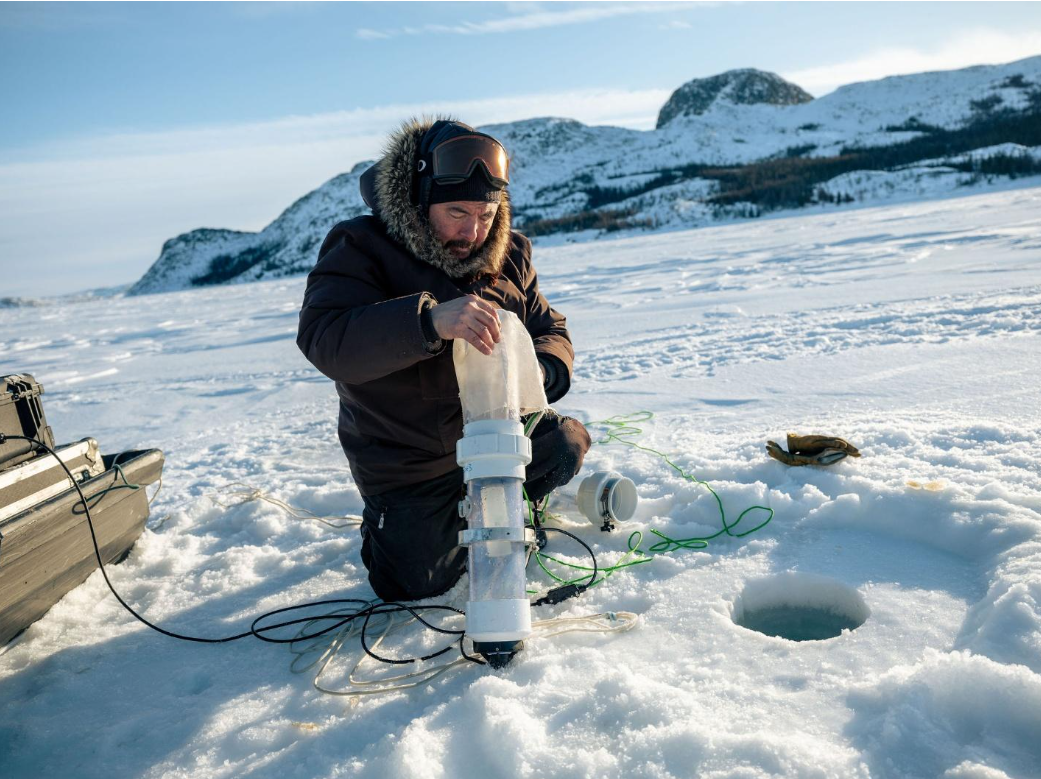
Photo Credit: Johnny C.Y. Lam